Pakistan encompasses more than 70 ethnicities, each one having its own language, traditions, food and beliefs. The nomadic ethnicities continue celebrating pagan festivals, preserving an ancient link to the region’s rich past. During these trips, you will also witness the vast influence of the great Buddhist, Mughal, colonial periods which have left their iconic landscapes over hundred in Pakistan in the 70’s. We’ll also offers a comprehensive side to Northern Pakistan where most of the people’s lives is dedicated to agriculture and where you will find warm hospitality, especially in the remote hinterland.
We can take you to the following tours and festivals – contact us for more details and more cultural tours.
Discover Pakistan's Cultural Heritage
Immerse yourself in the rich cultural tapestry of Pakistan through our thoughtfully curated cultural tours. From ancient civilizations to vibrant festivals, experience the authentic traditions that make Pakistan a treasure trove of cultural diversity.
World Heritage Sites Tour
Mostly located in Punjab and Sindh regions, the World Heritage sites constitute an incredible throw …
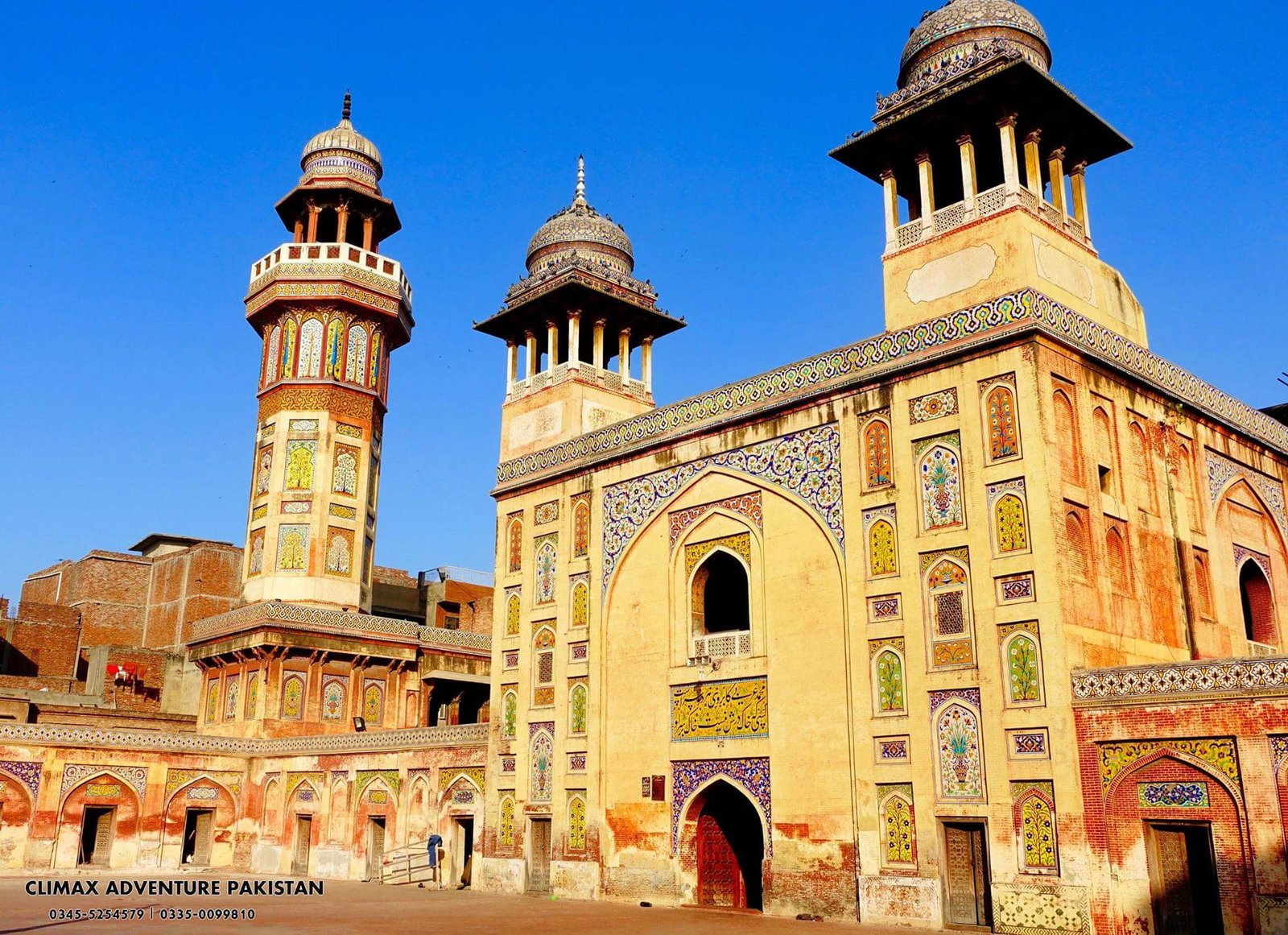
Mostly located in Punjab and Sindh regions, the World Heritage sites constitute an incredible throw back in the past. From the archaeological ruins of Mohenjodaro built around 2500 BC to the Badshahi mosque and Lahore fort (part of the magnificent Mughal-era of Lahore).
The tour will take you to the majestic Buddhist gardens and to the Mughal capital, Lahore. The outskirt is the magnificent Badshahi mosque, the Jahangiri tomb, the Wazir Khan mosque and Shahi hammam, places under these the majestic Sufi mausoleums like the Shah Rukn-e-Alam Tomb in Multan.
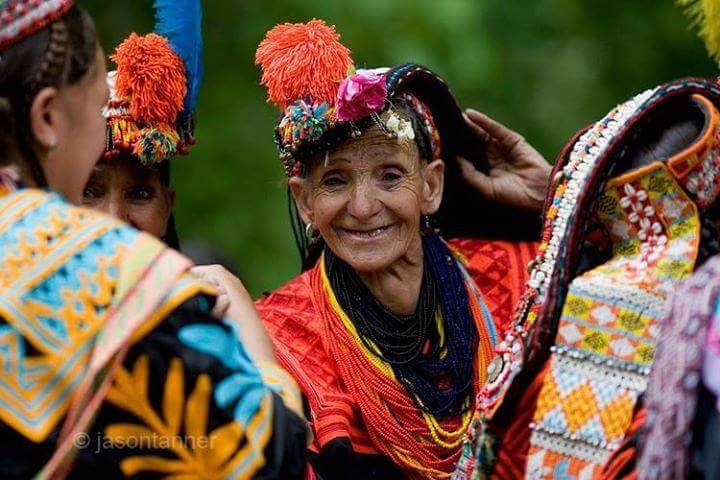
The Kalash are a group of about 3,000 people living in the mountains of the Hindu Kush, where they practice an ancient polytheistic faith. Each year, they come together to celebrate Chilam Joshi, Uchau Joshi (spring) and Caumus ceremonies which are marked with drums, animal sacrifice and highly-recognized rituals for men and women
The origin of Kalash is a mystery. Some believe they are descended from the troops of Alexander the Great, others anthropologists confirm they are migrants from Indo-Afghanistan.
Their religion incorporates animistic traditions of worshipping nature as well as a pantheon of gods, whose members in some instances bear resemblances to the Vedic gods of ancient India.
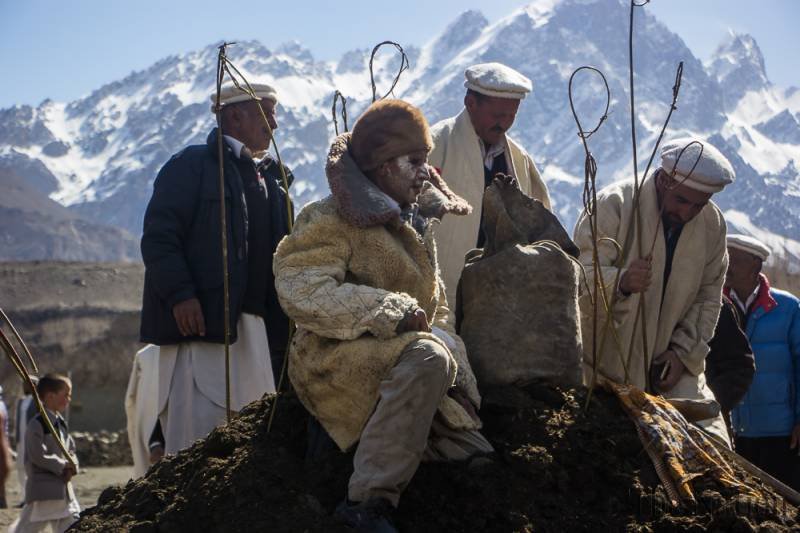
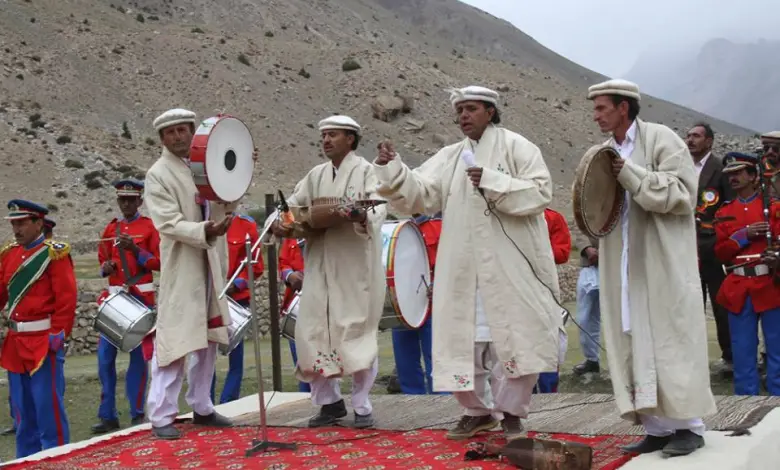
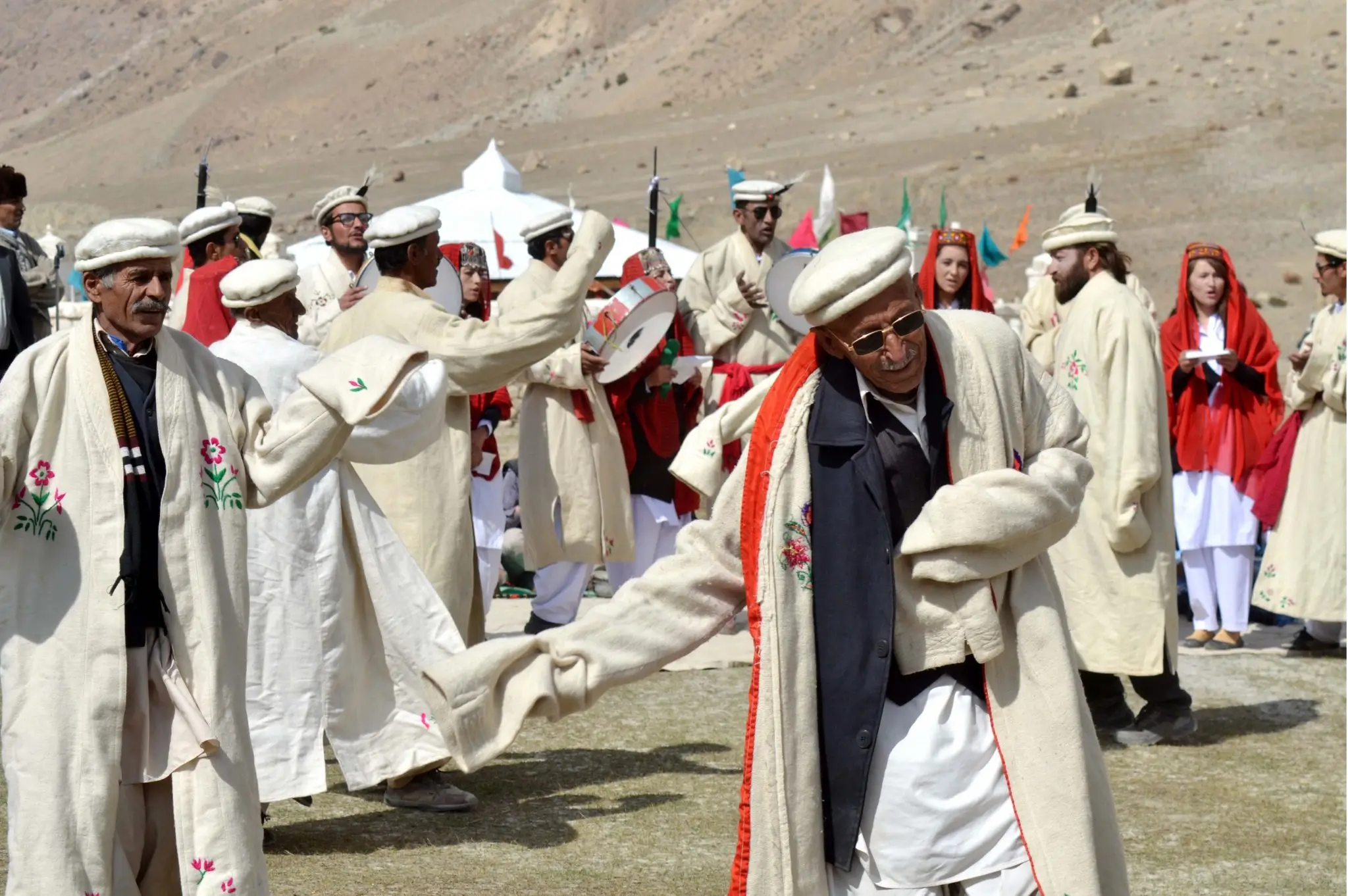
The Taghum spring festival is celebrated by Wakhi people, a mountain ethnicity living in northern Pakistan, marking the start of the ploughing season and spring. Taghum has been celebrated for centuries when the glaciers start melting, filling the streams and the fertile water channels.
During the celebrations, a small goat is kept in a special enclosure and is groomed throughout the year and likely which are supposed to bring luck – to announce the start of the cultivation season. To celebrate the birth, strength which are pulling the harness, a man is disguised as a bull and stimulates the crowd by acting like the animal during the festival.
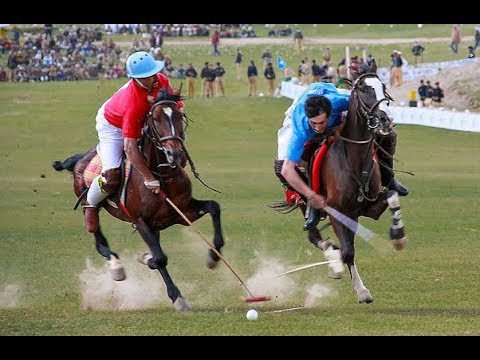
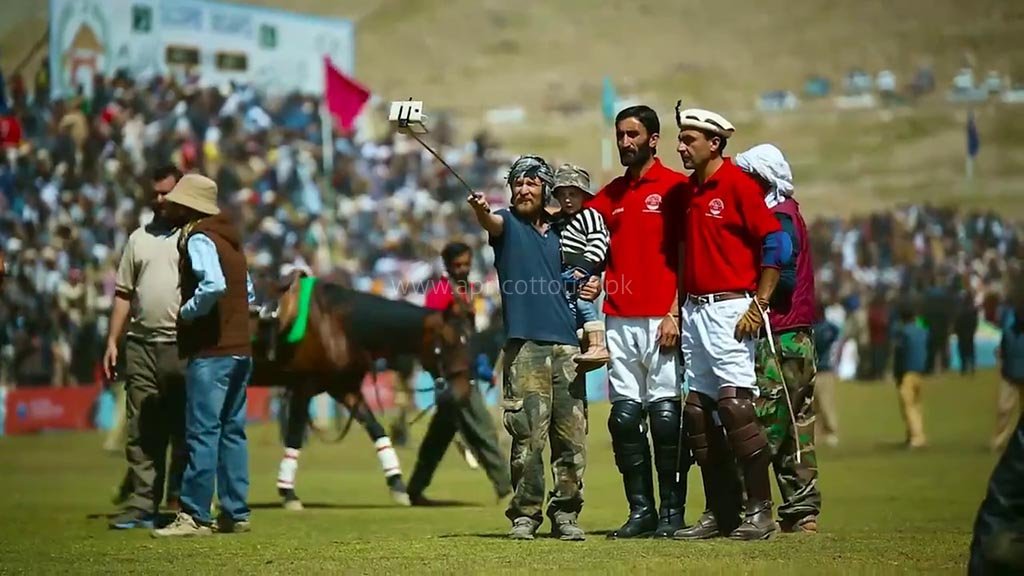
The three-day Shandur Polo Festival is held between 7-9 July every year on Shandur Pass which is believed to be the highest polo ground in the world. This freestyle game is played between teams from Chitral and Gilgit-Baltistan since 1936.
People from both regions come to witness the thrilling matches between their respective teams. Do not expect a formal polo game here; the two two-to-three-hour-per-match duration is far outside of the ‘gentleman’ English sport! Enjoy the incredible experience of horse riding on the roof of the world.
The national and lively Buzkashi festival, a similar to a Polo sport said to have existed for 600 years. Buzkashi is played mainly in Afghanistan, Tajikistan by its horsemen which host cattle herds and farm cattle in Kazakhstan.
Afghan traders from Afghanistan who traditionally come the border from with horses, rugs and cattle to border trade (butter, cheese, clothes) with Chitrali villagers.
The festival gathers people of the Wakhi ethnicity from Gilgit-Baltistan but also people from surrounding areas to celebrate this traditional festival which became an ancestral cultural link with the Afghan corridors people. Participants from Afghanistan come on parts crossing borders and mountain passes to watch Chaopan which is adrenaline full of thrill, courage, enthusiasm and excitement. People can visit some main features of the festival – beautiful costumes, musicians and dances performed on the occasion.
Their religion incorporates animistic traditions of worshipping nature as well as a pantheon of gods, whose members in some instances bear resemblances to the Vedic gods of ancient India.